
What Happened During: Menteri PPPA jenguk korban laka, pastikan layanan dukungan psikososial
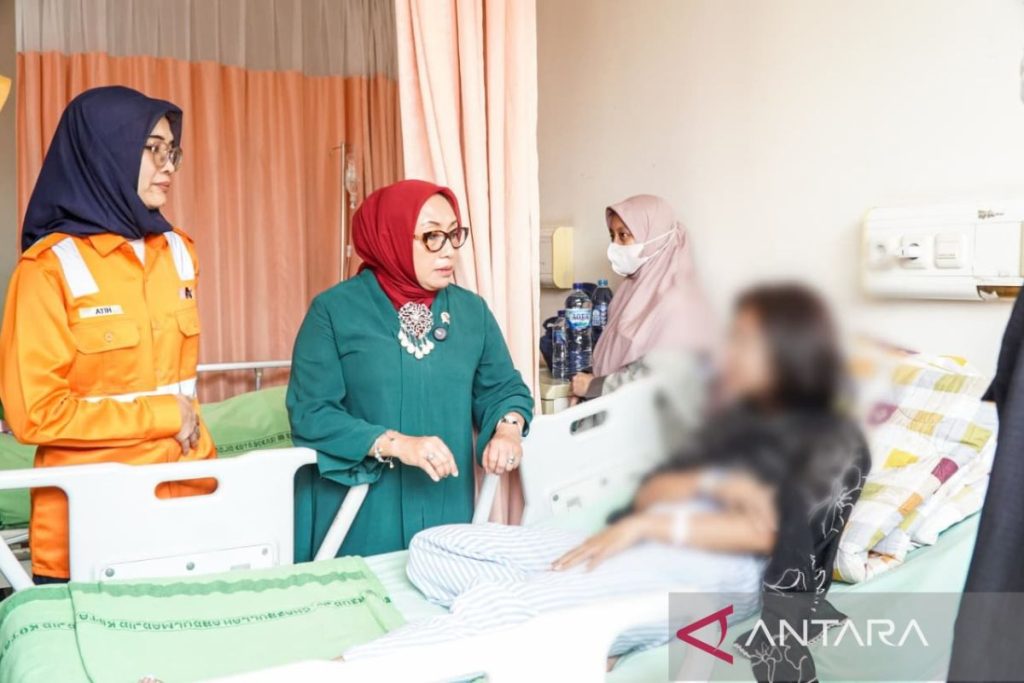
What Happened During: Menteri PPPA Ensures Psychological Support for Accident Victims
Government Response to Bekasi Timur Train Accident
What Happened During the catastrophic train accident at Bekasi Timur station, Jakarta, drew immediate attention from the Ministry of Women’s Empowerment and Protection of Children (PPPA), led by Menteri Arifah Fauzi. The minister emphasized her commitment to ensuring comprehensive psychological support for all affected individuals, including the injured and their families. This initiative is part of a broader effort to address the emotional trauma caused by the incident, which occurred on April 27, 2023, and continues to impact the community. The PPPA’s involvement underscores the government’s proactive stance in prioritizing mental health during crises, aligning with national strategies to provide timely and effective social support services.
Collaborative Efforts to Restore Psychological Well-being
What Happened During the rescue and recovery operations following the train collision between KA Argo Bromo Anggrek and KRL Commuter Line was a testament to the collaboration among various agencies. Menteri Arifah Fauzi visited the RSUD Dr. Chasbullah Abdulmadjid in Kota Bekasi to assess the situation firsthand, highlighting the ministry’s dedication to coordinating efforts with the local government, UPTD PPA, SAPA 129, and other support organizations. This joint approach aims to create a seamless support system for survivors, ensuring that psychological assistance is accessible and responsive to the evolving needs of the victims and their families. The minister’s presence also serves as a morale boost for those affected, reinforcing the government’s role in crisis management.
“What Happened During the incident has left deep scars on the community, and it is crucial to provide immediate psychological intervention to prevent long-term trauma,” stated Menteri Arifah Fauzi in her statement. She reiterated that the PPPA would work closely with emergency responders and mental health professionals to establish a multi-layered support framework. This includes early counseling, ongoing therapy, and referral mechanisms to specialized services, ensuring that no individual is left without assistance. The minister’s words reflect the importance of psychological recovery as a critical component of post-disaster rehabilitation, emphasizing the need for a unified effort among stakeholders to restore stability for the victims.
Human Impact and Community Reactions
What Happened During the train accident resulted in 15 fatalities and 84 injuries, creating an urgent need for psychological aid. The scale of the tragedy prompted not only governmental action but also widespread public concern. Families of the victims gathered at the hospital, expressing gratitude for the minister’s visit and the promise of dedicated support. Meanwhile, local volunteers and community leaders extended their help, offering temporary shelters and food to those displaced. The PPPA’s initiative aims to address both the physical and emotional aftermath, ensuring that victims receive holistic care as they navigate the challenges of recovery.
What Happened During the incident also sparked discussions about the adequacy of emergency preparedness in the region. Experts noted that the collision, which occurred at a busy junction, highlighted the necessity for improved safety measures. The minister acknowledged these concerns, vowing to review protocols with relevant agencies to prevent similar occurrences in the future. Additionally, she emphasized the importance of public awareness campaigns to educate citizens about psychological first aid and the role of support services in trauma recovery. These steps reflect a commitment to both immediate relief and long-term resilience-building for the community.
Psychological Support Services in Action
The SAPA 129 hotline, a key component of the psychological support system, has been instrumental in reaching out to victims and their families. What Happened During the initial phase of the disaster saw rapid deployment of trained counselors to provide immediate emotional assistance. These professionals work closely with UPTD PPA to conduct needs assessments and tailor support programs to individual circumstances. The services range from individual counseling sessions to group therapy, addressing the diverse psychological impacts of the incident. This structured approach ensures that support is not only timely but also sustainable, helping victims regain their sense of normalcy and security.
What Happened During the aftermath also led to the establishment of temporary counseling centers near the accident site. These centers offer free services to ensure accessibility for all affected individuals, regardless of their socio-economic status. The PPPA has partnered with NGOs and local organizations to expand the reach of these services, with a particular focus on children and adolescents who may be more vulnerable to long-term psychological effects. The minister’s visit was followed by the announcement of a dedicated fund to support ongoing mental health initiatives, demonstrating the government’s financial commitment to this cause.
Long-term Recovery and National Implications
As What Happened During the initial response phase continues to shape the recovery efforts, the PPPA has outlined a long-term strategy to monitor the psychological well-being of victims. This includes regular follow-ups, integration with educational institutions to provide school-based counseling, and collaboration with the National Disaster Management Agency (BNPB) to assess the broader societal impact. The minister also highlighted the need for public-private partnerships to enhance the capacity of support services, ensuring that they can handle large-scale emergencies effectively. These measures are expected to strengthen the nation’s preparedness for future disasters, reinforcing the importance of psychological support as a vital public service.
What Happened During the Bekasi Timur train accident has become a pivotal moment in shaping Indonesia’s approach to psychological disaster response. The PPPA’s initiative not only addresses the immediate needs of the victims but also sets a precedent for integrating mental health care into emergency management frameworks. By prioritizing psychological support, the ministry aims to reduce the long-term effects of trauma, fostering a society that is more resilient and empathetic in the face of crises. The ongoing efforts underscore the government’s commitment to ensuring that every individual, regardless of their circumstances, receives the care they need to heal and rebuild their lives.
